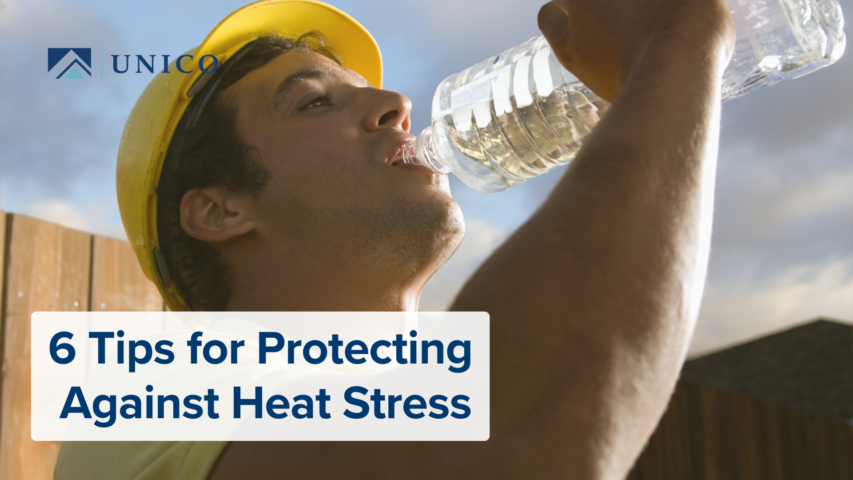
As we navigate increasingly frequent heatwaves and record-breaking temperatures, we understand that protecting your workforce from heat-related risks has become more critical than ever. Together, we can create safer work environments that prioritize your team’s well-being while maintaining productivity and compliance.
Understanding the real impact of heat stress
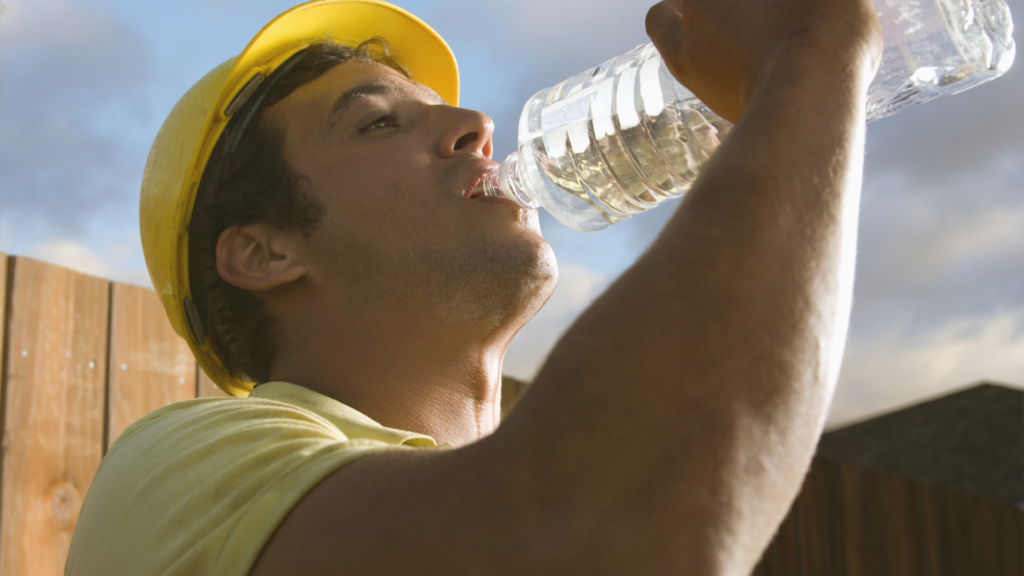
Heat stress is a serious workplace hazard that affects both your employees’ health and your business operations. When workers cannot cool themselves effectively, their bodies absorb or generate more heat than they can release, placing dangerous stress on vital organs. This happens when multiple factors converge: high environmental temperatures, humidity levels, physical workload demands, protective clothing requirements, and individual health considerations.
The consequences extend beyond direct health concerns. Heat stress impairs cognitive function and motor skills, increasing injury risks not only for the affected worker but for everyone around them. We’ve seen how it reduces productivity, increases error rates and compromises quality.
A sobering reality
According to the National Weather Service, heat-related incidents cause more fatalities in the United States than any other weather-related event. This underscores why we’re committed to helping you implement effective prevention strategies.
Who’s at risk?
These members of your team may face the greatest exposure and require particular attention:
- Those spending extended periods outdoors in direct sunlight or on heat-absorbing surfaces\
- Employees in hot indoor environments with limited ventilation
- Team members working near heat-producing equipment or machinery
- Workers performing physically demanding tasks, especially in humid conditions
- Employees wearing protective equipment that restricts cooling or sweat evaporation
- New hires who haven’t yet acclimated to working in hot environments
By recognizing these risk factors, we can develop targeted solutions that address your specific workplace challenges.
Six essential practices for heat stress prevention
We’ve developed this comprehensive framework to help you build a robust heat illness prevention program. Let’s explore each practice and how we can implement them in partnership:
1. Identify your unique heat hazards
Every workplace is different, and we believe in personalized solutions. Work with your team to:
- Assess task-related risks: Examine different job roles and settings, particularly during peak heat periods
- Evaluate environmental factors: Use weather data and your production records to pinpoint concerning temperature and humidity thresholds
- Review clothing requirements: Consider which tasks require heavy protective gear that retains body heat
This collaborative assessment forms the foundation of your customized prevention plan.
2. Establish monitoring practices that work
Proactive planning makes all the difference. We recommend:
- Designating a heat safety coordinator: Empower someone on your team to monitor conditions and employee wellbeing during extreme temperatures
- Tracking conditions throughout the day: Use tools like the free NIOSH/OSHA Heat Safety Tool App for outdoor work or the AIHA sheat stress app for indoor environments
- Creating flexible daily plans: Adjust work schedules based on real-time conditions
This collaborative assessment forms the foundation of your customized prevention plan.
3. Implement practical preventative measures
Let’s build a multi-layered defense system:
- Cooling strategies: Provide wet towels, ice, and designated cooling areas where workers can recover
- Smart scheduling: Plan breaks in shaded or air-conditioned spaces, increasing frequency as temperatures climb
- Acclimatization programs: Help new and returning workers gradually build heat tolerance over 7-10 days
- Hydration stations: Make water and electrolyte drinks readily available, while educating workers to avoid caffeine and alcohol
- Appropriate attire: Encourage breathable, lightweight clothing and minimize time in heat-retaining PPE
Each measure contributes to a safer, more comfortable work environment.
4. Invest in training and education
Knowledge empowers your entire team. We encourage:
- Daily pre-work discussions: Brief your team on expected conditions, symptoms to watch for, and safety protocols
- Comprehensive heat safety training: Ensure everyone—from frontline workers to supervisors—can recognize early warning signs and provide first aid
- Annual refresher sessions: Keep safety top-of-mind with regular training updates, especially after policy changes or incident
When everyone understands the risks and solutions, your whole organization becomes stronger.
5. Prepare for emergencies
Hope for the best, but prepare for any situation:
- Develop clear emergency protocols: Ensure every team member knows how to respond, provide first aid, and contact emergency services
- Create a formal Heat Injury and Illness Prevention Plan (HIIPP): Document your comprehensive approach and review it annually or after any heat-related incident
Your preparedness demonstrates your commitment to your team’s safety
6. Maintain thorough documentation
Documentation isn’t just about compliance. It’s about continuous improvement:
- Track key data: Record temperature readings, humidity levels, incidents, and monitoring activities
- Review regularly: Analyze your records with employee and management input to identify what’s working and where opportunities exist
- Celebrate successes: Recognize improvements and share best practices across your organization
We can use this information to refine your program over time.
Moving forward
Protecting your workforce from heat stress requires dedication, but you don’t have to navigate this alone. By implementing these evidence-based practices, you’re demonstrating your commitment to your team’s wellbeing while enhancing productivity and maintaining regulatory compliance.
We’re here to support you every step of the way. Whether you’re just beginning to develop your heat illness prevention program or looking to strengthen existing protocols, we’re committed to providing the personalized guidance and resources you need.
Remember: several states have already enacted heat protection standards, and Federal OSHA has proposed additional regulations. Staying ahead of these requirements protects both your workers and your business.
Let’s work together to create a safer, healthier workplace for everyone on your team.