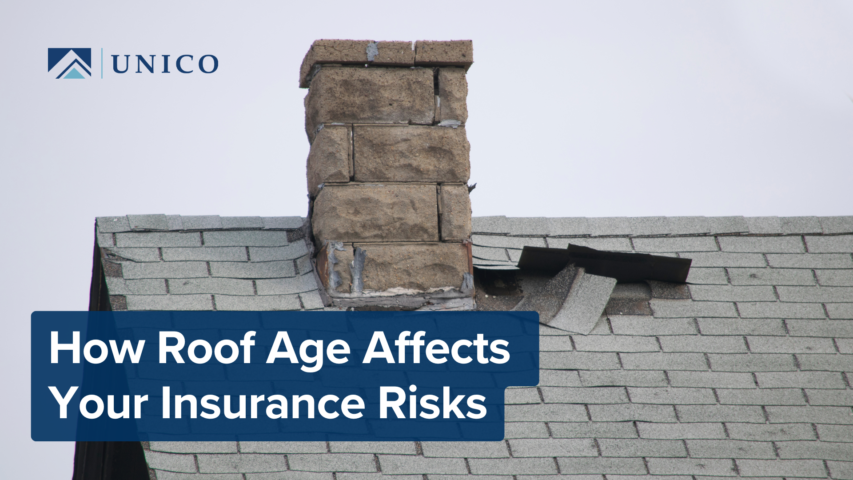
Your commercial building relies on its roof to stay strong and protected from weather damage such as wind, hail and rain. Over time, however, roofs naturally age and become more vulnerable to damage.
Understanding this process is important because it can affect how your property is insured. As your trusted partner, we can help you determine the precise age of your roof and how it can influence your insurance coverage, plus what proactive steps we can take to manage these risks effectively.
Why roof age matters
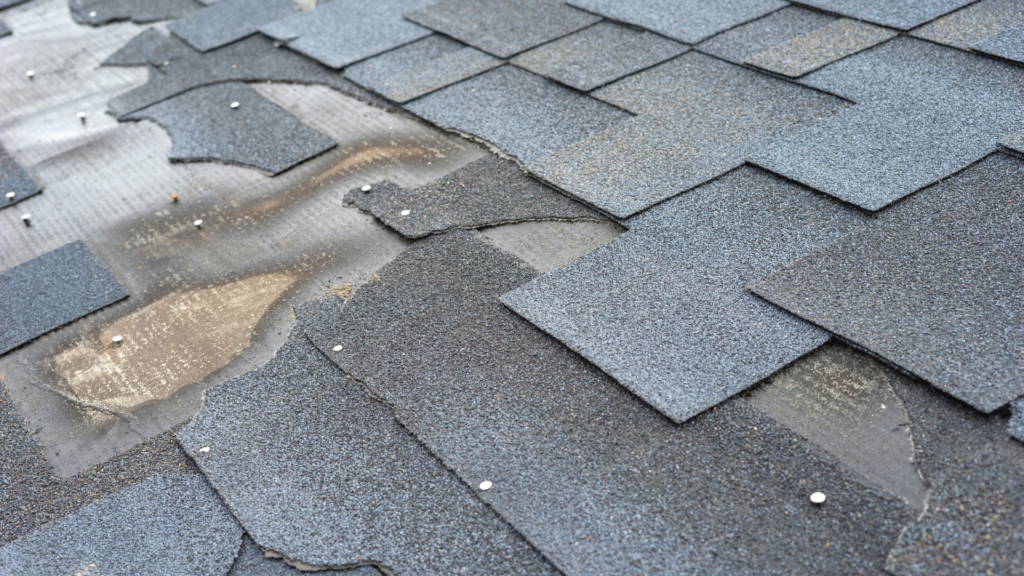
Roofs naturally weaken over time. Research shows that structural issues become more common in roofs older than 20 years. These issues may include:
- Deteriorated or defective materials such as cracks, holes or missing shingles
- Growth of moss, mildew or mold
- Sagging, rotting or sloping areas
- Leaks, moisture buildup and drainage problems
Conditions like these increase the risk of significant damage during severe weather events. In fact, the Insurance Research Council reported that more than one-third (34%) of all property insurance claims arise from wind or hail damage, with most of these claims involving roof-related losses.
In the event of heavy rain or flooding, older roofs may succumb to excess moisture and cause widespread water damage. This is particularly concerning for commercial buildings located in tornado-prone areas. According to catastrophe modeling company Moody’s RMS, older roofs can contribute to as much as 50% more property damage when hurricanes strike.
Impact on commercial property exposures
Altogether, these issues can elevate commercial property exposures, leaving insurers hesitant to provide coverage for buildings with older roofs. As a result, most commercial property underwriters leverage roof age data in conjunction with other factors (e.g., location and maintenance schedules) to estimate how well buildings will withstand the elements and assess total risk levels.
In particular, an underwriter may utilize roof age data to calculate a commercial property’s wind resistance and related structural integrity. These calculations help underwriters decide whether buildings with older roofs can receive coverage or are too risky to insure.
Coverage complications
Insurance providers often limit or exclude coverage for buildings with roofs over 20 years old. We understand that sometimes roof age data may be inaccurate, whether unintentionally due to outdated records or otherwise. However, providing incorrect information can lead to misaligned risk assessments, premium miscalculations and ultimately claim denials.
Transparency is key. Accurate roof age data helps us work with you to find the best coverage solutions tailored to your property’s unique needs. For instance, policies offering actual cash value (ACV) coverage may not fully cover the cost of replacing an older roof, potentially leaving you with out-of-pocket expenses. Replacement cost value (RCV) coverage, on the other hand, considers current market prices for repairs or replacements and may be a better fit for properties with aging roofs.
Additionally, older roofs may not comply with the latest building codes which can complicate claims if upgrades are necessary. We’re here to guide you through these complexities and ensure your coverage aligns with your risk profile.
Risk mitigation strategies
Considering the impact of roof age on commercial property insurance, it’s vital for building owners with older roofs to reduce their risks. Here are some best practices for property owners to keep in mind:
Conduct regular maintenance & repairs
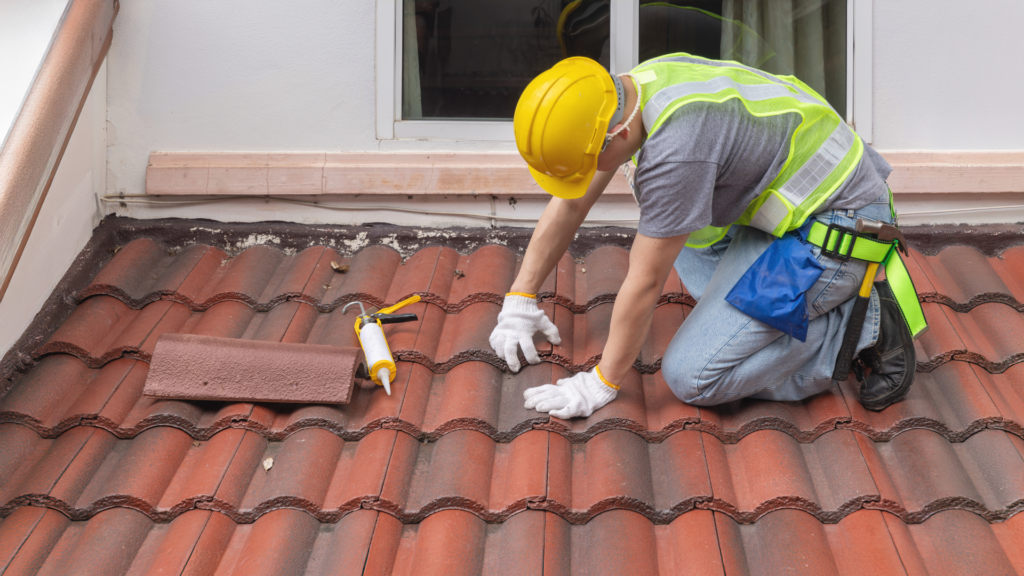
It’s crucial for building owners to perform routine maintenance to prolong the lifespan of older roofs and preserve their structural integrity. Maintenance may involve implementing cleaning procedures to:
- Minimize moss
- Minimize mildew and mold growth
- Remove excess debris (e.g., fallen branches, leaves, dirt and sticks)
- Uphold effective drainage systems
- Make minor repairs when necessary (e.g., patching holes and sealing cracks)
If possible, property owners should also consider including periodic building code upgrades in their maintenance plans.
Provide accurate documentation
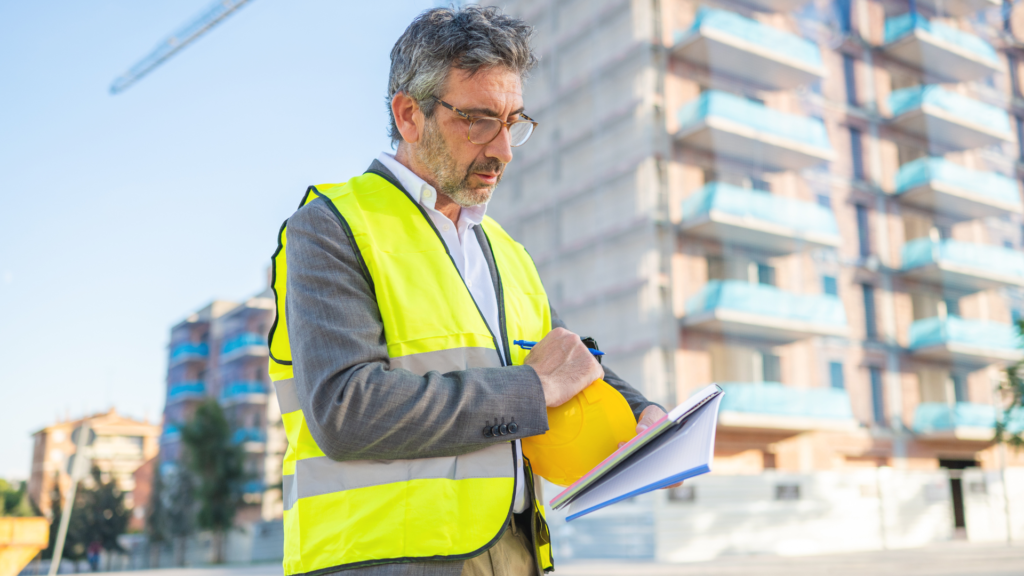
Building owners should maintain sufficient property documentation, thus allowing underwriters to conduct accurate calculations and preventing misalignment with insurers. This documentation should include roof maintenance schedules, repair records and, above all, accurate age data.
Ensure proper coverage
To secure adequate financial protection amid property losses, building owners should work with insurance professionals to review their policies and determine their specific coverage needs.
For example, building owners with older roofs may benefit from having policies with replacement cost value (RCV) coverage rather than ACV coverage, as RCV coverage considers the cost of replacing the affected property or structure with a comparable alternative using current prices.
Next steps
Understanding the impact of roof age on your commercial property insurance is essential to managing risk effectively. By working together with transparency and a shared commitment to proactive risk management, we can help safeguard your property and financial interests.
At UNICO Group, we are dedicated to partnering with you every step of the way. Our team combines expertise with personalized service to ensure your insurance solutions align with your unique needs. If you have questions about your roof’s condition or want to explore your insurance options, please reach out. We’re here to collaborate with you, providing expert guidance and tailored solutions designed to protect your investments and support your long-term success.