`
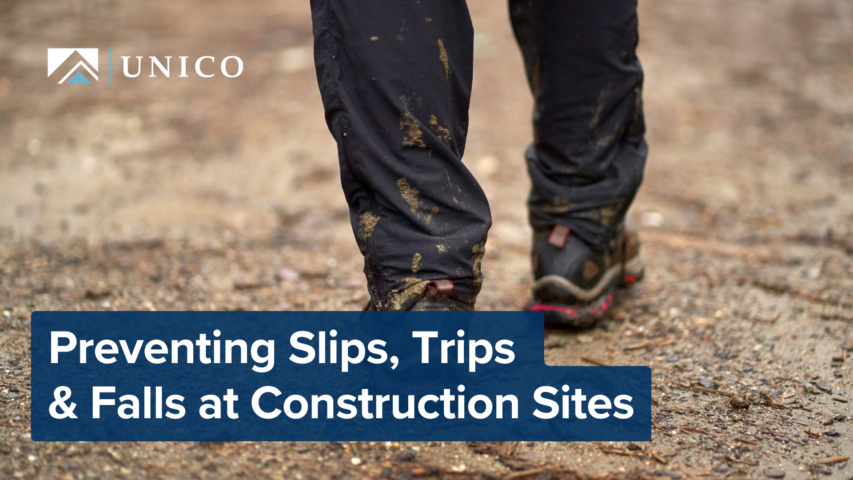
Slips, trips, and falls continue to be one of the most common and preventable causes of injuries on construction sites. While much of the industry rightly focuses on fall protection at heights, incidents frequently begin at ground level or on everyday walking-working surfaces. Muddy access paths, cluttered decks, slick ladder rungs, and uneven temporary flooring all contribute to injuries that disrupt projects, impact productivity, and most importantly, send workers home hurt.
The plus side? Most of these hazards are visible, correctable, and manageable when we stay disciplined in how we inspect and maintain our sites.

Issues on Walking Surfaces
Walking-working surfaces include everything from concrete decks and steel beams to temporary walkways, ramps, and access paths. These surfaces change constantly as work progresses, which means hazards can appear just as quickly.
Common issues include:
- Debris accumulation (scrap material, packaging, cut-offs)
- Mud, ice, or moisture buildup
- Unprotected floor openings
- Uneven transitions between surfaces
- Temporary plywood or decking that shifts or deteriorates
Maintaining solid footing starts with recognizing that housekeeping is not just for looks, it is a safety control that everyone can control. Clean, stable, and well-defined walking paths reduce hesitation, distraction, and missteps, especially during busy phases of construction.
Safety in Working with Ladders
Ladders are among the most frequently utilized tools on a jobsite, yet they’re often treated as background equipment. Dirty, damaged, or improperly positioned ladders can turn routine tasks into injury-producing events.
A few simple practices make a measurable difference:
- Keep ladder rungs free of mud, grease, snow, and concrete slurry
- Inspect rungs and side rails for damage before use
- Ensure ladders are properly secured and extend the required distance at access points
- Remove ladders from service when defects are found — don’t “make it work”
A ladder doesn’t need to fail catastrophically to cause an injury. A single slick rung or improper set up can be enough to produce bad outcomes.
The Importance of Inspections
Regular site inspections are one of the most effective tools for preventing slips and falls however, only if they are done intentionally. A quick walk-through with a fresh set of eyes often reveals hazards that crews have unknowingly adapted to.
Effective inspections focus on:
- Access and egress routes
- Changes in elevation or surface conditions
- Temporary stairs, ramps, and platforms
- Weather-related impacts on walking surfaces
- Work areas shared by multiple trades
The goal isn’t paperwork, it’s awareness and hazard recognition. Encouraging everyone to identify and correct hazards in real time builds ownership and reinforces that safety is part of how work gets done, not an extra task.
Final Thoughts
When leadership prioritizes clean access, proper ladder use, and routine inspections, front-line workers follow suit. Addressing slip and trip hazards sends a clear message: details matter, and preventing injuries is everyone’s responsibility.
It’s worth remembering that many serious injuries start with a simple misstep. By maintaining adequate walking-working surfaces, keeping ladders clean and serviceable, and actively inspecting our sites, we reduce risk, improve efficiency, and protect the people who build our projects every day.
Sometimes, the most effective safety improvements are also the ones that get overlooked. Reach out to our Safety and Loss Control Consultant, Ezra Schlecht, for a jobsite consultation today.

Ezra Schlecht, CSHO, SSH, CRIS
Safety and Loss Control Consultant
The information provided in this article is for informational purposes only and should not be considered as legal or insurance advice. Please consult with a qualified professional for guidance tailored to your specific situation.