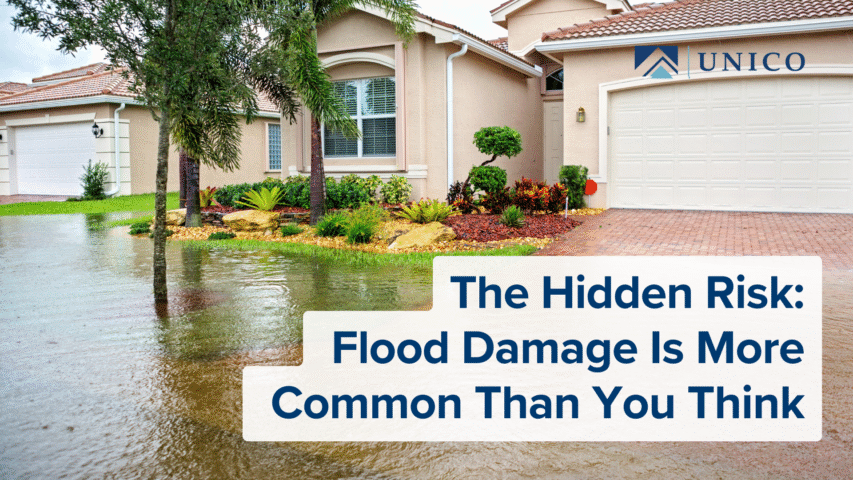
In 2024 alone, flooding caused over $4.5 billion in damages. With flooding now among America’s most common natural disasters occurring annually, being prepared is essential to protect your livelihood. Our team has compiled this guide using trusted resources to help you safeguard your property, business and most importantly, your loved ones.
The increasing frequency and intensity of extreme weather events has changed our approach to flood preparedness. What once may have been considered ‘100-year floods’ now occur more regularly. This new reality demands a proactive rather than reactive stance, with proper planning becoming the critical focus for resilient households and businesses.
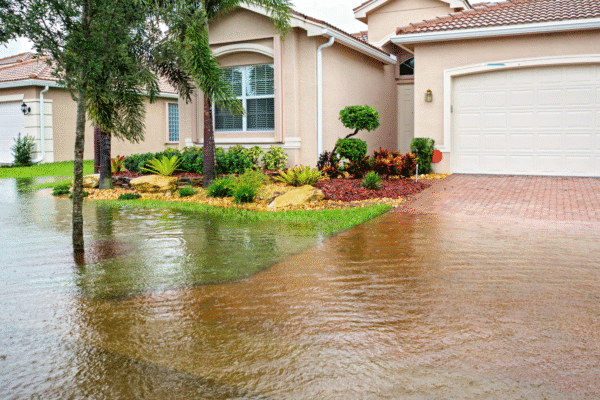
Understanding Flood Risks
Preparing Before a Flood
Preparation significantly reduces both risk and potential damage. Take critical steps like the following:
- Know Your Risk: Check your property’s flood zone designation and understand what it means. A flood map can help you easily find this information.
- Create an Emergency Plan: Make an evacuation route with meeting points for your family or workplace. The American Red Cross offers templates to help you put a plan together.
- Document Belongings: Every year, take photos and videos both inside and outside your home to prove belongings and home furnishings. Be sure to update your documentation annually.
During a Flood
The National Weather Service emphasizes one critical message: “Turn Around, Don’t Drown!”
Water’s power is often underestimated. Just six inches of moving water can knock an adult down, while only 12 inches can float most vehicles. Driving in flood waters comes with a high risk, and nearly half of all flood fatalities occur in vehicles when people attempt to drive through floodwaters. Roadways can be washed out underneath the pavement with little to no signs, making it dangerous to know what you’re driving over.
If evacuation is advised, move immediately to higher ground, avoid contact with floodwater and debris, and stay tuned to emergency broadcasts for updates. Before evacuating, be sure to cut the power to your house to avoid the risk of electrocution.
Recovering From a Flood
When authorities declare it safe to return home, OSHA recommends these additional precautions:
- Professional Inspection: Have professionals inspect for structural damage, gas leaks, and electrical hazards before re-entering buildings. What appears safe may not be.
- Safety Against Mold: Clean and disinfect everything that got wet within 24-48 hours to prevent mold growth, Wear protective equipment including gloves, boots, and masks during cleanup. Floodwaters often contain hazardous materials and sewage.
- Document: Photograph all damage for insurance claims and assistance applications before beginning cleanup.
Nebraska Resources
Nebraska’s geographical features create unique flood risks, from river flooding along the Missouri and Platte Rivers to flash flooding in urban areas. Local emergency management departments offer community-specific alerts and resources.
Covered Before the Flood
The most important step to protecting your livelihood from flooding is adequate insurance coverage. Don’t wait until waters rise and it’s too late. Contact our dedicated commercial or personal insurance teams today for customized flood insurance for your property and a complete peace of mind.