Tips for Owners of Telecommunications Vehicle Fleets
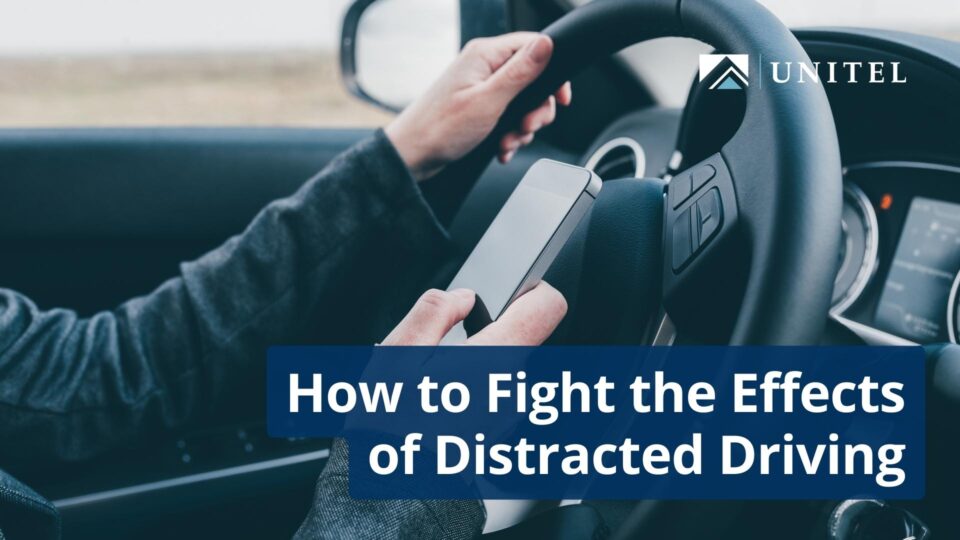
You would think that with all the publicity and hype around how devastating the horrors of distracted driving accidents can be these days that no one would do it anymore, right? The short answer is no.
In fact, the problem continues to grow due to new technologies making distracted driving easier, employee drivers that are not guided by firm employer policies and harried workers that feel the need to work harder and faster. Distracted driving is a huge potential problem for any company that may have employees who drive as part of their jobs, whether in company-owned vehicles or personal vehicles driven for a business purpose.
Understand the Scope of Distracted Driving
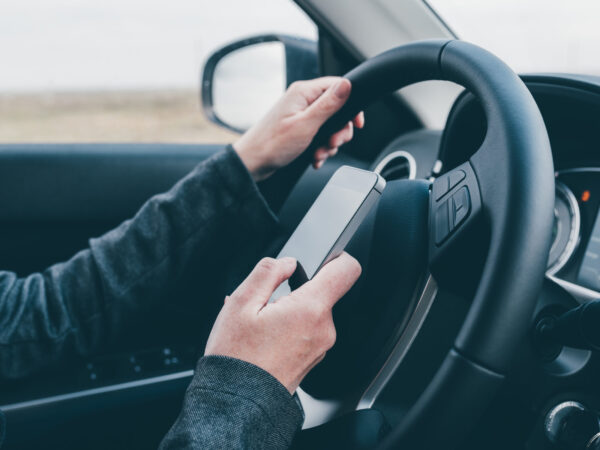
Is distracted driving as pervasive and dangerous as it’s made out to be? According to the National Highway Traffic Safety Administration (NHTSA), about 660,000 drivers use electronic devices while driving. In 2018, such drivers caused 451,000 injuries and the deaths of 3,977 people.
Electronic devices are not the only source of distraction. We can understand behind-the-wheel distractions as falling into three categories: manual, cognitive and visual.
- A manual distraction can include reaching into the back seat
- A cognitive distraction may be as simple as daydreaming.
- A visual distraction is anything that takes your eyes off the road — including looking at a GPS device, a cell phone or any printed material.
Still, as the road safety experts emphasize, texting and checking email, poses a unique challenge to the driver’s attention: It combines all three of these types of distraction.
We can also think of risky driving as either a poor decision, like texting behind the wheel, or an unintended action, like falling asleep. That’s why it’s important for businesses to set their employee drivers up for success and encourage them to make better decisions like getting plenty of night’s sleep.
How to Hire Safe Drivers
First, telecom employers must make better decisions themselves. Many roles that require driving including CO technicians, plant construction drivers, installers and even salespeople. Yet hiring safer drivers is one of the best ways for employers to ensure they are putting the safest drivers possible behind the wheel. After all, past driving behavior is the best indication of future performance.
Any job candidates who may be driving in their future role should undergo a motor vehicle record (MVR) review for any state from which they have had a driver’s license. Some MVR red flags include recent driving under the influence citations or frequent moving violations, though each company can develop its own list of prohibited violations. Connect with your UNICO Advisor for more details on how this is done.
Resumes and job applications are a useful source of driver information, as well. Has the candidate driven a vehicle like the one required for the job? Does the candidate cite defensive driving training in the past? Review driving skills and experience as you would any other skills.
In some cases, a candidate’s physical condition may be relevant. Does the candidate have a condition that precludes the candidate from spending a lot of time behind the wheel? Does the candidate take medications that make driving less safe? All of this is part of the decision-making process.
Furthermore, businesses should include a road test as part of the hiring process. Especially if they will be driving something other than an ordinary car. This allows managers to look for safe-driving behaviors like buckling up, obeying the speed limit and avoiding distractions.
Coach Current Employees to Be Safe Drivers
Though current employees don’t need to go through the hiring process repeatedly, they may benefit from some of the same driving reviews. Yearly road tests and MVR reviews provide valuable insight into their daily driving habits. In addition, these reviews provide opportunities for coaching and enforcing your safe-driving policies before negative habits become accidents.
Clear, enforceable safe-driving policies are critical for every employer. These documents detail prohibited driving behaviors and desirable alternative actions. For example, if the policy prohibits programming a GPS device while driving, it can also recommend that drivers pull over to use their cell phone or review their work assignments. These documents should provide specific consequences for failing to follow the policies and any resulting disciplinary actions. Your UNICO Advisor can help you develop a policy or help you upgrade your current document.
If an employee is involved in an accident and the employer is accused of negligence (negligent entrustment), the policy can serve as documentation that the employer actively discourages and prohibits distracted driving.
Use Technology to Help Employees Become Safer Drivers
Telematics are nothing new to the commercial vehicle world. Many communications companies with fleets can benefit from integrating GPS trackers and other tools. For telecommunications employers, telematics can provide real-time information about a vehicle’s location, rate of speed, idle time and so on, allowing managers to review data for evidence of dangerous habits like hard braking and failing to use a seatbelt.
Dashboard cameras are another crucial technology investment for fleet safety. These devices objectively document what occurred during incidents, often proving fault and saving considerable time and money during litigation. This protection is particularly valuable for DOT-numbered vehicles, which are frequently perceived as having deeper pockets than individual drivers, making them targets for fraudulent claims. We’ve seen cases where individuals intentionally, brake suddenly in front of commercial vehicles hoping to assign blame to the trucking company, only to have dash camera footage reveal the truth and protect the commercial driver.
Telematics can’t tell managers about every time an employee reaches for the phone while driving, but they can add tools like Cell Control, which blocks cell signals within a vehicle, making it impossible for a driver to give in to distractions.
All those indicator lights on the dashboard may seem old-fashioned by comparison, but they’re still a reliable source of information. A fully functioning, safe vehicle helps make sure a driver is set up for success. All telecom operators should have a schedule and system in place for frequent safety inspections, preventative maintenance and timely repairs.
As with the safe driving policy, the inspections and maintenance should be documented. That documentation can help in the event of an accident, claim or even help plan future vehicle usage needs or spot useful trends.
Know How to Handle an Accident
Even when your communications company has the right risk control policies and procedures in place, sometimes management neglects to prepare for accidents. Training employees to respond calmly and competently to accidents can help.
An “accident kit” in every fleet vehicle is a useful way to support employees in the immediate aftermath of an incident. In the past, employers often included a disposable camera and a list of phone numbers, which isn’t as necessary in the smartphone era. However, they should provide a form that the driver can use to report the conditions of the accidents. The employee driver should take photos with the smartphone to supplement the form.
As you know, it’s critical that drivers record the details of an accident in its immediate aftermath. Memories of details like turn signal usage and stop sign locations can become murky with time.
Employee drivers should also be directed to call the police in the event of an accident. Over time police have become less and less involved in determining fault in an accident, but they have a role at the scene of even minor fender benders. Employees should not discuss who was at fault with the police, but they can work with them to document the accident. Plus, a police officer can provide a calm, outside perspective on a stressful situation.
As always, you can reach out to a UNICO advisor to discuss more safe driving tips and solutions.
The loss prevention information and advice presented in this document is intended only to advise our clients, customers and business partners of a variety of methods and strategies based on generally accepted safe practices, for controlling potentially loss producing situations commonly occurring in business premises and/or operations. They are not intended to warrant that all potential hazards or conditions have been evaluated or can be controlled. They are not intended as an offer to provide insurance coverage for such conditions or exposures, or to imply that UNITEL Insurance or UNICO Group will provide such coverage. The liability of UNITEL Insurance or UNICO Group is limited to the specific terms, limits and conditions of the insurance policies issued, if any.