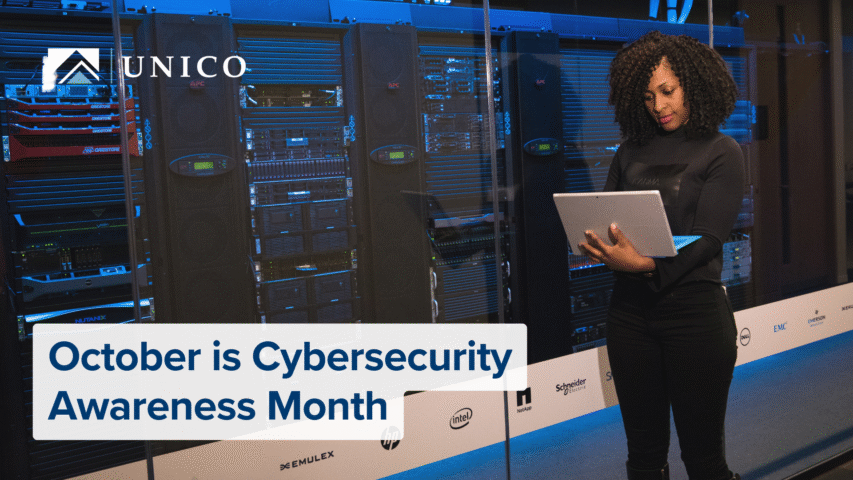
October marks the 22nd annual Cybersecurity Awareness Month, a time when public and private sectors work together to emphasize the critical importance of cybersecurity. Businesses should set aside time in October to revisit their cybersecurity measures and update them as needed.

The Cybersecurity and Infrastructure Security Agency (CISA)  and the National Cybersecurity Alliance recommend these four key strategies for businesses to use year-round and protect company data, customers’ personal information and ensure employee privacy.

Protection Against Copper Theft (1)

Implement Strong Password Practices

Cybercriminals frequently compromise accounts by guessing simple passwords. Your business should require employees to create and maintain strong passwords for all work-related accounts. Plus, requiring the use of password managers will help enhance security. These secure programs store and automatically fill in passwords on the web, while staying user-friendly.

Multifactor Authentication (MFA)

MFA provides a layered approach to securing your data and applications by requiring users to sign in multiple times to verify their identity during login. This security measure substantially enhances protection because even if one credential becomes compromised, unauthorized users cannot meet the second authentication requirement.
Your business should enable MFA on any site or service that offers this feature to create an additional security barrier against potential breaches.

Keep Up with Software Updates

Ensuring all software remains current with the latest security updates is crucial for protecting your organization. These updates address security vulnerabilities that cybercriminals might otherwise exploit.
Work with your IT team to ensure they install security patches as soon as they become available.

Employee Cyber Training

Many cyberattacks begin with an employee receiving and clicking on an email or message that then downloads malware or extracts sensitive information to a cybercriminal. All employees should be training to identify the warning signs of phishing attempts, including:
  • Messages containing alarming or urgent language
  • Offers that seem too good to be true
  • Requests for sensitive information or unexpected downloads
Establish clear IT protocols for reporting suspicious messages. If your business suspects it has fallen victim to a phishing attack or any cybercrime, report the incident immediately to your insurance partners and appropriate government authorities.

Final Thoughts

For additional information about Cybersecurity Awareness Month, visit CISA’s dedicated webpage. And for comprehensive cybersecurity guidance or tailored cyber insurance solutions that meet your specific business needs, contact us today.

Megan Hatch, CPCU, CWCA, CRIS

Vice President | Risk Consultant

The information provided in this article is for informational purposes only and should not be considered as legal or insurance advice. Please consult with a qualified professional for guidance tailored to your specific situation.