As we move into 2026, the real estate market presents a dynamic mix of challenges and opportunities. Our team has identified five critical trends that commercial real estate decision-makers should prioritize this year, along with practical strategies to help you maintain a competitive edge, protect your assets and safeguard your investments.
Key Trends to Watch in 2026

Refinancing Pressures and Heightened Lender Requirements
The refinancing environment in 2026 presents one of the most significant challenges for commercial real estate portfolios. With over $1.5 trillion in loans maturing by year-end, property owners face substantially higher debt-service costs and more rigorous insurance scrutiny from lenders. In some cases, increases are approaching 100% depending on loan structure and reset terms. Clients can ensure their insurance programs meet these heightened expectations by:
- Comprehensive coverage alignment: securing all-risk and catastrophe coverage that aligns with current property valuations provides the foundation lenders expect.
- Business income protection. Implementing coverage to safeguard cash flow during disruptions demonstrates financial preparedness and operational resilience.
- Documented risk controls. Maintaining detailed documentation of risk controls and loss-mitigation practices shows lenders your commitment to protecting their investment.
- Regular valuation assessments. Conducting ongoing valuation reviews ensures accuracy and prevents coverage gaps that could jeopardize refinancing approval.
By taking a proactive approach to insurance planning, you can strengthen your position in refinancing negotiations and demonstrate the level of preparedness lenders now expect.

-
Climate Resilience Now a Must
The frequency and severity of extreme weather events continue to reshape how insurers evaluate and price commercial real estate risk. According to Climate Central, 2025 ranked as the third-highest year on record for billion-dollar weather and climate disasters in the United States, with 23 events totaling $115 billion in damages.
For property owners, this means climate resilience has moved from a “nice-to-have” to a fundamental underwriting consideration. Clients are increasingly requiring evidence of robust protective measures, including:
- Property-level protections. Flood barriers, storm shutters, and upgraded drainage systems demonstrate your commitment to protecting assets from severe weather events.
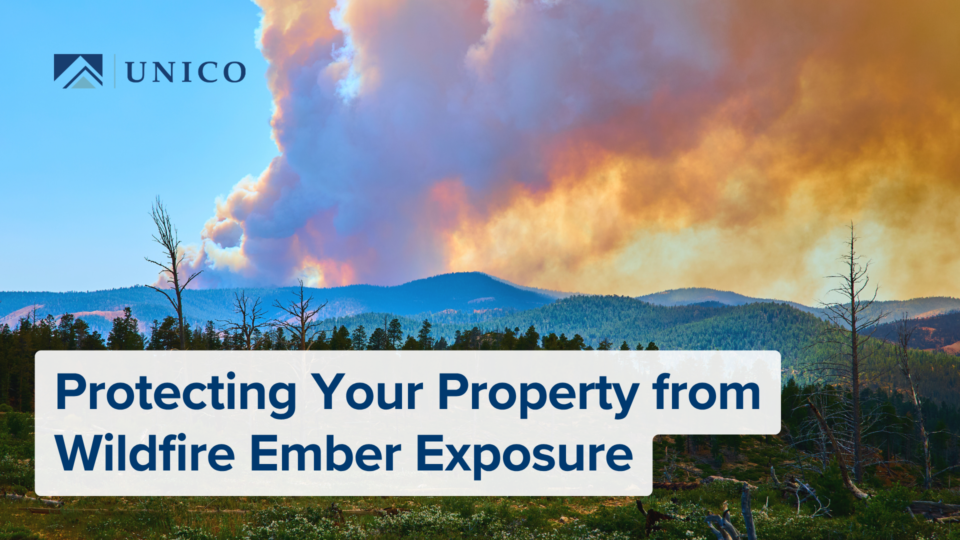
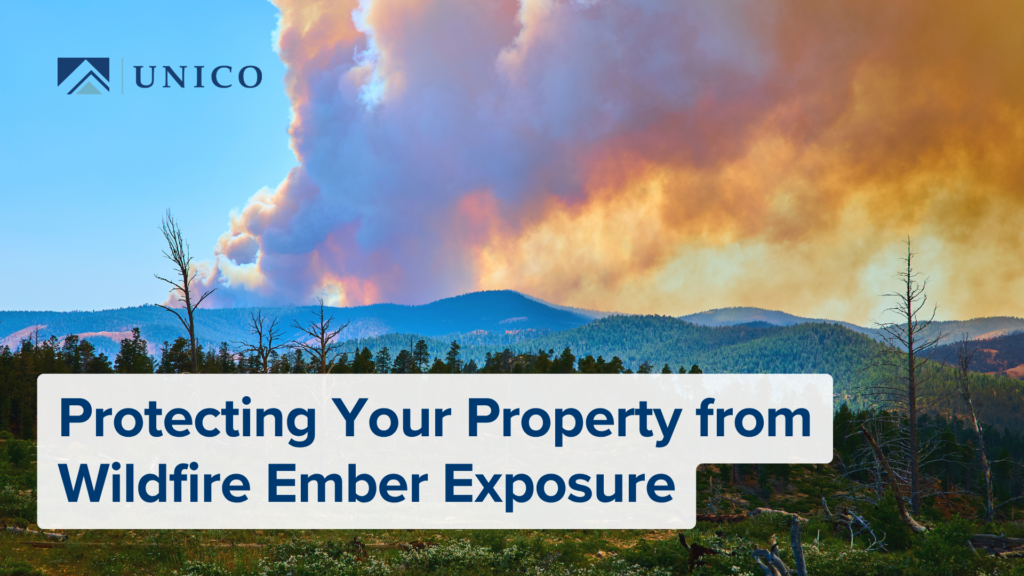
- Fire-resistant materials and defensible space. In wildfire-prone areas, these measures are becoming essential requirements for securing coverage at competitive rates.
- Standardized resilience assessments. Tools such as ASTM Property Resilience Assessments help property owners evaluate natural hazard risks and demonstrate preparedness to insurers, lenders, and investors.
- Climate risk integration. Incorporating climate considerations into governance and compliance frameworks shows a long-term commitment to risk management.
Our approach is to work collaboratively with you to assess your portfolio’s climate exposure, identify practical resilience measures, and document these efforts in ways that resonate with insurers, lenders, and investors. This not only supports more favorable insurance terms but also enhances long-term asset value and operational continuity.

-
Multifamily Insurance Dynamics
The multifamily sector remains a strong performer heading into 2026, driven by demographic shifts and sustained demand. However, risk profiles vary significantly by region, and underwriting scrutiny reflects this reality.
Properties in areas prone to severe weather may encounter reduced capacity or selective pricing, even as the broader market stabilizes. Similarly, regions with elevated crime rates or plaintiff-friendly legal environments face increased general liability exposure, often resulting in more restrictive policy terms and higher premiums.
Success in this environment requires a commitment to documented risk-control practices.
- Security enhancements. Implementing measures that protect residents and reduce liability exposure addresses one of the primary concerns in high-risk areas.
- Environmental resilience measures. Tailoring protections to regional hazards, whether hurricanes, wildfires, or flooding, demonstrates awareness of local risk factors.
- Proactive maintenance programs. Preventing losses before they occur through regular inspections and timely repairs reduces claims frequency and supports favorable underwriting.
- Clear documentation. Maintaining detailed records of all risk-mitigation efforts provides the evidence insurers need to offer competitive terms.
We believe the best outcomes emerge from partnership. Working together to understand your specific operational context allows us to develop customized solutions that address your unique risk profile.

-
Property Market vs. Liability Market Conditions
The commercial property insurance market in 2026 is moderating, marketing a notable shift after years of minimal underwriting profitability and hardened conditions. According to industry data, by mid-2025, many property renewals saw flat to single-digit changes, with some experiencing slight rate decreases. This shift reflects improved underwriting results, increased competition for quality accounts and healthy market capacity.
However, casualty and excess liability markets remain cautious and selective. Even with property market relief, portfolio owners may still face pressure across their overall insurance programs, particularly if loss histories are unfavorable or liability exposures are significant. To combat this, real estate owners should:
- Vendor contract reviews. Examining agreements with security firms, maintenance contractors, and renovation companies for appropriate indemnification clauses helps limit your liability exposure.
- Tenant lease provisions. Ensuring leases include clear liability terms establishes expectations and protects your interests.
- Third-party insurance verification. Confirming that vendors and contractors carry adequate insurance and can provide current certificates of insurance supports effective risk transfer.
- Contractual risk-transfer documentation. Maintaining organized records of all risk-transfer mechanisms demonstrates due diligence to insurers and supports your overall risk management strategy.
By addressing liability exposure strategically, you can better position your portfolio for favorable terms and comprehensive protection.

-
Data-Driven Risk Management is New Standard
Risk management in commercial real estate is fundamentally more data-driven than ever before. Insurers, lenders, investors, and regulators are all demanding deeper insights into property risk profiles. These insights go well beyond traditional considerations of property type and location.
Climate resilience metrics, energy performance data, and ESG considerations are increasingly influencing investment decisions and insurance strategies. We’re seeing predictive analytics platforms, climate-risk modeling tools, and IoT-enabled building systems become standard components of due diligence workflows.
To meet these evolving expectations, leading organizations are implementing several key practices:
- Board-level oversight. Establishing governance structures for climate and operational risks demonstrates organizational commitment to risk management.
- Documented risk-management frameworks. Implementing formal processes and procedures provides the structure insurers look for when evaluating accounts.
- Transparent reporting. Providing clear information on emissions, climate impacts, and resilience measures builds confidence with insurers, lenders, and investors.
- Advanced technology integration. Leveraging predictive analytics, climate modeling, and IoT systems positions your organization as forward-thinking and data-informed.

Final Thoughts
Navigating these trends successfully requires a partner who understands both the commercial real estate landscape and the insurance solutions that protect your investments. At UNICO Group, we’re here to help you develop strategies that address today’s market realities while positioning your organization for long-term success. Whether you’re facing refinancing pressures, evaluating climate resilience measures, or seeking to optimize your insurance program, our team brings the expertise and dedication to support your goals.
Ready to discuss your commercial real estate insurance strategy? Contact UNICO Group today to explore solutions built specifically for you.