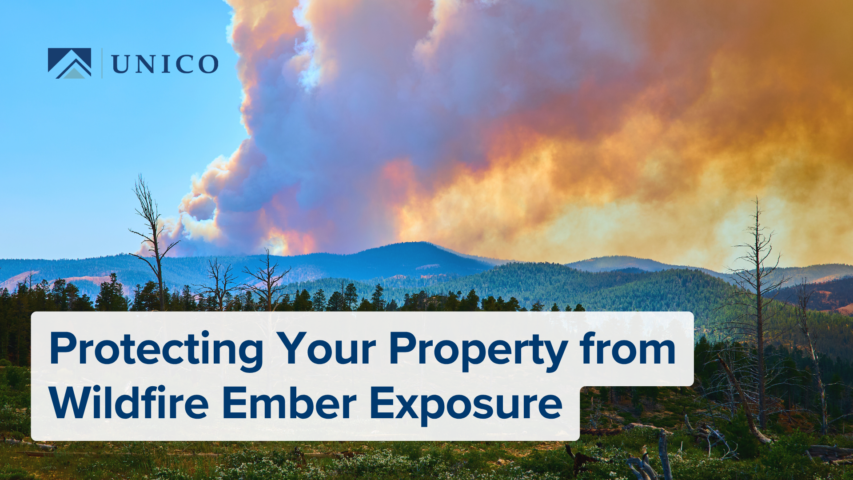
When you think of wildfires, the first images that come to mind are likely buildings on fire, direct flames and intense. However, most structures are lost during wildfires due to flying embers, or small burning particles carried by the wind. Embers can travel within miles of a fire, landing on rooftops, in trees, gathering in gutters and entering buildings through small openings.
Business owners should understand that these tiny embers can be as large a threat to their property as a wildfire. Understanding how they ignite commercial buildings is the first step toward protecting your property, and the practical steps outlined in this blog can reduce the risk of ember-related damage.

How Buildings Ignite During Wildfires
Wildfire damage occurs through three main mechanisms: direct flame contact, radiant heat, and embers.
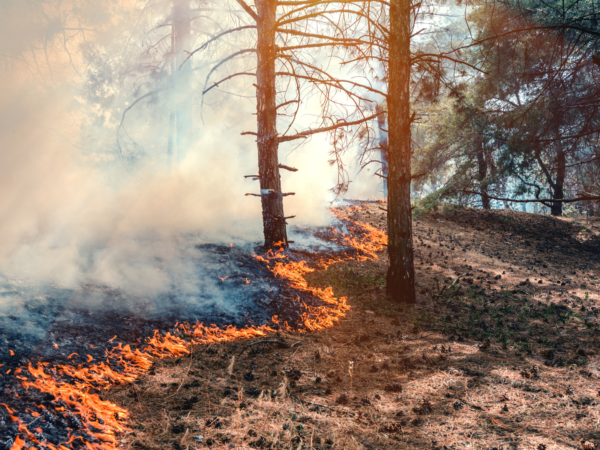
Among these, ember exposure is the leading cause of ignition and is often preventable. Embers, also known as firebrands, are burning materials carried by wind that can accumulate on rooftops, gutters, rooftop equipment, and near building walls. They can smolder for hours before igniting visible flames, sometimes long after the wildfire’s main front has passed.
Common Vulnerabilities
Certain features and site conditions make commercial properties more susceptible to ember ignition. Property owners should focus on these areas:
Roofing and Eaves
Roofs are the most exposed surfaces during wildfires. Non-fire-rated roofing materials and open eave construction allow embers to collect and ignite the building from the top down.
Vents
Standard attic, foundation, and crawl space vents with basic mesh screens can allow embers to enter and ignite insulation or other materials inside.
Gutters
Open gutters that collect leaves and debris provide fuel for embers to ignite the roofline quickly.
Building Envelope Gaps
Small openings around HVAC equipment, utility penetrations, and siding can allow embers to enter or accumulate in hard-to-inspect areas.
Immediate Surroundings
Combustible landscaping, wooden fencing attached to the building, propane storage, and outdoor furniture near the structure can carry fire directly to the building.
How to Reduce Ember Ignition Risk
1. Harden the Structure
Upgrading building components can improve resistance to ember intrusion:
- Roofing: Use Class A fire-rated roofing materials such as metal, clay tile, concrete tile, or qualifying asphalt shingles for the highest fire resistance.
- Eaves and Soffits: Enclose open eaves and use noncombustible soffit and fascia materials to eliminate ember-collecting cavities.
- Vents: Replace standard vents with ember-resistant models or cover all vents with 1/8-inch metal mesh to block embers while maintaining airflow.
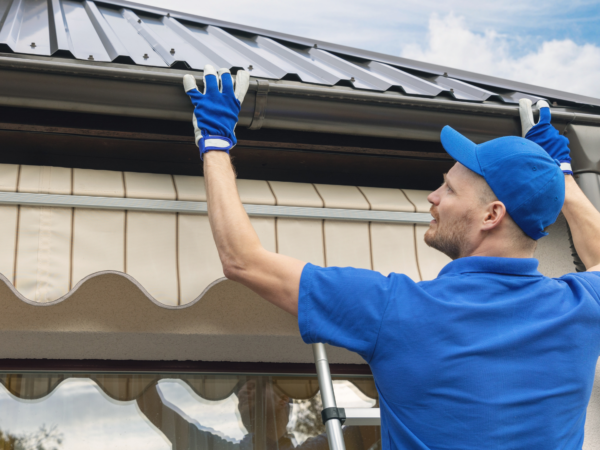
- Gutters: Install metal gutters with gutter guards to reduce debris accumulation, as metal withstands heat better than vinyl.
- Gaps and Penetrations: Seal openings around utility connections and HVAC equipment with noncombustible materials and maintain at least 6 inches of noncombustible clearance at the base of exterior walls.
- Rooftop Equipment: Regularly inspect rooftop HVAC units, solar panels, and other equipment to ensure debris does not accumulate where embers could collect.
2. Manage the Surroounding Area
- 0-5 feet: Remove all combustible materials immediately around the building. Replace organic mulch with gravel or rock, clear dead vegetation, and relocate flammable storage away from the foundation. This zone is critical for reducing ember ignition risk.
- 5-30 feet: Reduce vegetation density by removing dead plants and debris, spacing shrubs to prevent fire spread, and trimming lower tree branches.
- 30-100 feet: Keep grass mowed, remove dead vegetation, and maintain separation between trees and larger shrubs to limit available fuel.
Insurance Considerations for Wildfire-Exposed Properties
Impact of Wildfire Preparedness on Underwriting
Preparing for the Future
Embers are the leading cause of commercial building loss during wildfires, but the vulnerabilities that allow ember ignition can be identified and addressed. Targeted upgrades to roofing, vents, and the building envelope, combined with consistent site maintenance, can significantly reduce your property’s exposure to wildfire damage.
We encourage you to contact us to learn more about protecting your business from wildfire-related losses. Together, we can develop a personalized strategy that safeguards your property and supports your peace of mind.
The information provided in this article is for informational purposes only and should not be considered as legal or insurance advice. Please consult with a qualified professional for guidance tailored to your specific situation.