In today’s commercial real estate landscape, environmental due diligence has become as complex as it is critical. When you’re expanding your network, acquiring new property or evaluating a site, environmental concerns probably aren’t top of mind. However, soil contamination can derail your project timeline, increase costs and create liability that affects your business and bottom line long after the deal finalizes.
As your trusted partner, we want to help you understand why soil testing matters for your real estate decisions and how getting ahead of environmental issues protects your operations.
The Basics: What Is an Environmental Site Assessment?
When you’re buying commercial property, lenders typically require what’s called a Phase I Environmental Site Assessment. This as a comprehensive background check on the property. Environmental consultants review historical records, inspect the site, and identify any red flags based on past uses, nearby properties, or visible concerns.
This assessment is valuable, but is largely research-based and has limitations. It tells you whether there’s reason for concern, but it doesn’t involve actual testing. It can flag potential problems, but it can’t tell you definitively whether contamination exists. That’s when a Phase II assessment and soil testing become necessary.
When Does Soil Testing Become Necessary?
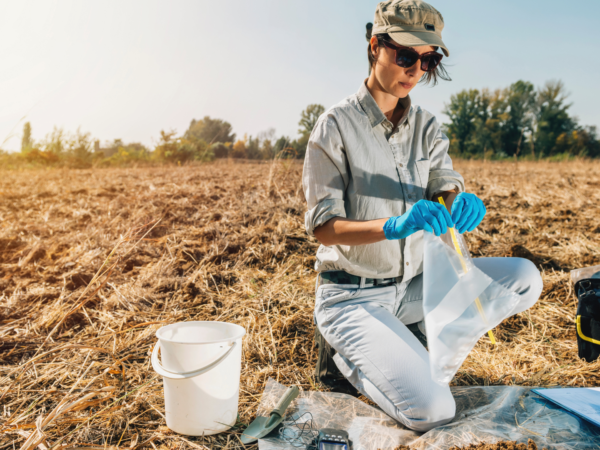
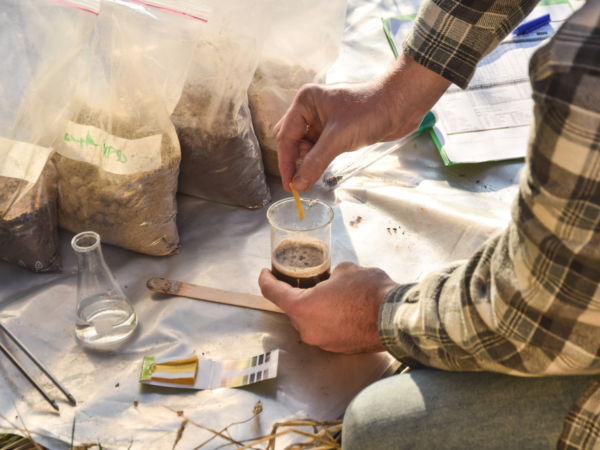
Phase II is where soil testing comes in. This involves physical sampling to confirm a potential environmental concern (called a Recognized Environmental Condition), what type it is, and how extensive the problem may be. This happens morie often than you might think, especially if:
- The property previously housed manufacturing, dry cleaning, or chemical operations
- There’s evidence of old fuel tanks or petroleum storage
- Previous tenants ran environmentally sensitive businesses
- The site is near gas stations, industrial facilities, or other known contaminated properties
- Inspectors notice soil staining, unusual odors, or other warning signs
As more businesses repurpose older buildings, soil testing has become an essential tool for understanding what you’re really buying. The good news is that identifying these issues early gives you options. The challenge is that skipping this step can leave you responsible for cleanup costs or regulatory compliance you didn’t anticipate.
Why This Matters for Your Business
Soil contamination can affect your business in significant ways beyond cleanup costs potentially running into hundreds of thousands of dollars. Contamination can delay your project timeline, affect your ability to secure financing, and even impact your property’s future value.
Soil testing gives you clarity before you close. You’ll know whether contamination exists, how extensive it is, and what it might cost to address. Armed with this information, you can:
- Negotiate with the seller to cover cleanup costs or adjust the purchase price
- Set up escrow accounts to handle remediation
- Make an informed decision about whether to proceed with the purchase
- Secure appropriate insurance coverage to protect your investment
New Clean Up Regulations You Should Know About
The environmental landscape is changing, and these changes affect business owners like you. One significant development involves PFAS, sometimes called “forever chemicals.” As of July 2024, the EPA now classifies certain PFAS as hazardous substances, meaning they must be evaluated during standard environmental assessments, not treated as optional considerations.
If you’re looking at properties with industrial history, manufacturing operations, or past firefighting activities, PFAS evaluation is becoming increasingly important, and getting ahead of this requirement helps prevent delays when you’re working against project deadlines.
State-by-State Clean Up Regulations You Should Know
There is no single national threshold for soil contamination requiring remediation, as environmental cleanup standards vary significantly by state.
The same test results might trigger mandatory cleanup in one state but not another. Even within a single state, requirements can differ based on how you intend to use the property. A site acceptable for continued commercial use might require remediation if you’re planning construction that disturbs contaminated soil. We can help navigate these regulations and understand your obligations based on your specific location and intended use.
How Soil Testing Can Impact Insurance
Comprehensive soil testing can actually work in your favor when securing insurance. When insurance carriers review clear, detailed soil data, they can offer more structured coverage options. Incomplete information creates uncertainty, which often results in higher premiums or more restrictive terms.
If you complete soil testing before closing, you can use those results strategically. Whether that means negotiating sale terms, structuring appropriate coverage or planning for remediation, you’ll be making decisions based on facts rather than unknowns.
Taking Action Early
Environmental due diligence adds another layer to an already complex process., but starting early makes all the difference. Early testing helps you avoid delays, reduces uncertainty and gives you leverage in negotiations. Most importantly, it protects you from costly surprises after you’ve already committed to the property.
Preparing for the Future
Whether you’re evaluating your first commercial property purchase or adding to an existing portfolio, environmental considerations deserve your attention.
We are here to partner with you in navigating these complexities and finding tailored insurance solutions that meet your unique needs. Contact us today to discuss how we can support your business in this rapidly changing landscape.
The information provided in this article is for informational purposes only and should not be considered as legal or insurance advice. Please consult with a qualified professional for guidance tailored to your specific situation.